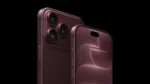
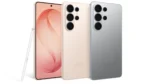
A new report highlighted by well-known leaker Ice Universe suggests that Samsung’s latest privacy-focused display innovation could eventually find its way into Apple’s MacBook lineup. According to market research firm Omdia, Samsung Electronics advanced privacy display technology, which will be used in Galaxy S26 Ultra, and the same technology is expected to be adopted in Apple’s laptops by around 2029.
What Is Samsung’s New Privacy Display?
Privacy display technology is designed to limit screen visibility from side angles, ensuring that only the person directly in front of the device can clearly see the content. This feature is particularly useful in public environments such as airports, offices, cafés, or public transport—places where sensitive information can easily be exposed to nearby onlookers.
With the Galaxy S26 Ultra, Samsung appears to be pushing this concept further through improved viewing-angle control, better brightness retention, and minimal color distortion when privacy mode is active. These refinements suggest a more practical, everyday implementation rather than a niche or optional accessory.
Why Apple Might Adopt It
If Omdia’s projection proves accurate, Apple’s potential adoption of this technology in MacBooks by 2029 would signal a broader industry shift toward built-in privacy protection at the hardware level. Unlike external privacy filters that reduce clarity and brightness, an integrated display solution could preserve image quality while still protecting user data.
For professionals handling confidential documents, students working in shared spaces, and travelers frequently using laptops in public, such a feature could become a major selling point. Apple’s emphasis on privacy across its software ecosystem also makes hardware-level screen privacy a logical next step.
What This Means for the Future of Displays
The possibility of Samsung-developed privacy display tech appearing in Apple laptops highlights how display innovation often transcends brand competition. Samsung is already a key supplier of advanced panels across the tech industry, and this development would reinforce its influence in next-generation screen technologies.
If timelines hold, the late-decade arrival of privacy-enhanced MacBooks could mark the beginning of a new standard—where protecting on-screen information is as fundamental as resolution, brightness, or refresh rate.
For now, the report remains a forward-looking industry prediction. But it offers a glimpse into a future where privacy is not just a software promise, but a core feature built directly into the display itself.