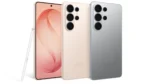
Samsung is reviewing potential design changes for the rear camera system on its next-generation Galaxy S devices, according to information from Korea. The claim is still unverified and currently stems from a single source, but it aligns with a broader pattern of incremental hardware revisions in recent flagship cycles.
The report suggests that both the camera placement and overall rear design are under active consideration. This includes not just the visual layout but also how camera hardware integrates with the chassis.
Design review in progress
Internal discussions are said to cover multiple elements at once. Rear camera positioning, module structure, and even how the sensors interact with the device’s external finish are all being evaluated together rather than in isolation.
That approach matters. Samsung has largely settled into a minimalist camera layout since the Galaxy S22 series, removing large camera islands in favor of individually protruding lenses. Any shift away from that direction would mark a noticeable change in design language.
Camera specifications are also part of the conversation, though there’s no concrete detail on upgrades or sensor changes. The emphasis appears to be on balancing performance improvements with physical design constraints, especially as modules continue to grow in size.
Cost pressures may slow changes
A full redesign is not guaranteed.
Rising component costs are reportedly influencing the timeline, with Samsung potentially delaying or scaling back any major overhaul. That introduces a familiar tension between innovation and cost control, particularly in a segment where margins are tightening.
Samsung has faced similar decisions before. Large design shifts often coincide with major hardware upgrades or anniversary models, while interim generations tend to refine existing designs instead. If cost concerns persist, the next Galaxy S iteration could follow that more conservative path.
Context within Samsung’s recent strategy
The company’s recent flagships have leaned heavily on camera consistency rather than experimentation. The Galaxy S23 and S24 series retained a similar rear layout, focusing instead on image processing, AI features, and incremental sensor improvements.
That consistency has helped with brand recognition but has also led to criticism that newer models look too similar to their predecessors.
A redesign could address that. But it also risks disrupting a design language that Samsung has spent several generations refining.