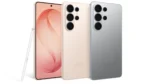
Samsung Electronics may be on the verge of a significant shift in its premium smartphone strategy. According to reports emerging from prominent tech tipster Ice Universe on Weibo and verified by Korean outlet DealSite, the South Korean tech giant is actively exploring the use of BOE-manufactured OLED panels for its upcoming Galaxy S series devices.
This potential move represents a departure from Samsung’s traditional reliance on its internal subsidiary, Samsung Display, for flagship screens. It signals a new chapter of cooperation between Samsung and China’s BOE Technology Group following the resolution of their intense legal battles earlier this year.
What Happened
According to the reports, TM Roh, President of Samsung’s Mobile eXperience (MX) division, held high-level talks with BOE Chairman Chen Yanshun last week (late December 2025) at Samsung’s headquarters.
While BOE has long supplied LCD panels for Samsung’s budget TVs and OLEDs for lower-tier Galaxy M/A series phones, this meeting reportedly focused on a much higher stake: small-sized flexible OLED panels for the flagship Galaxy S series. Industry insiders suggest that while no final contract has been signed, BOE is aggressively bidding to supply screens for the upcoming Galaxy S26 lineup (expected early 2026).
Context: The Patent Settlement
This renewed partnership is only possible because of a major legal thaw. Throughout 2024 and early 2025, relations between the two companies were frozen due to a bitter patent infringement lawsuit filed by Samsung Display against BOE.
- The Conflict: Samsung had previously accused BOE of misappropriating trade secrets and infringing on proprietary OLED pixel technologies.
- The Resolution: In November 2025, the two companies reached a settlement, agreeing to drop all lawsuits. This settlement effectively reopened the door for BOE to enter Samsung’s premium supply chain just in time for the S26 production cycle.
Why It Matters
- Combating “Component Inflation”
The primary driver for this move is cost. The price of key smartphone components—specifically high-end memory (RAM) and camera sensors—has skyrocketed in late 2025. By introducing BOE as a secondary supplier, Samsung gains leverage to negotiate lower panel prices, helping to keep the retail price of the Galaxy S26 competitive without sacrificing profit margins.
- A Strategic Warning to Samsung Display
Historically, Samsung’s MX (Mobile) division has been beholden to Samsung Display’s pricing. Bringing in a credible third-party rival like BOE puts pressure on Samsung’s internal display arm to lower its own supply costs.
- BOE’s Rising Quality
Tech reviewers and analysts note that the “quality gap” is closing. BOE already supplies OLED panels for standard iPhone models and other Chinese flagships. If BOE can meet Samsung’s rigorous quality assurance standards for brightness and efficiency, the average consumer may notice little difference between a BOE panel and a Samsung Display panel.
Industry Reactions
Analysts remain cautious. While BOE has improved, Samsung’s “Ultra” models typically demand the absolute peak of display technology (such as the M14 or M15 organic material sets), which currently only Samsung Display can mass-produce reliably.