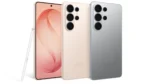
A new Samsung mid-range device has appeared on Geekbench, offering an early look at what could power the upcoming Galaxy M47. The listing, shared by @yabhishekhd on X, points to a familiar but slightly updated hardware direction for Samsung’s M-series.
The device carries the model number SM-M476B and is listed as running Android 16, suggesting Samsung may be testing current-gen software alongside refreshed midrange silicon.
Snapdragon 6 Gen 3 confirmed through Geekbench data
According to the Geekbench 6.7.1 entry, the Galaxy M47 is powered by Qualcomm’s Snapdragon 6 Gen 3 chipset. The CPU configuration shows a typical split for this tier: four performance cores clocked at 2.40GHz and four efficiency cores at 1.80GHz.
That aligns with Qualcomm’s recent approach to the 6-series, prioritizing balanced performance over peak output. The chipset identifier (QTI SM6475) and the listed Adreno 710 GPU further reinforce the Snapdragon 6 Gen 3 classification.
The tested unit includes 8GB of RAM, which is increasingly becoming standard in midrange devices, especially those expected to handle heavier multitasking and longer software support cycles.
GPU score gives a modest picture
The Geekbench OpenCL score comes in at 2,256. That figure places the M47 squarely in entry-to-mid GPU territory for 2026 devices.
For context, Adreno 710 has appeared in earlier Snapdragon platforms, and its performance here suggests incremental tuning rather than a major leap. It should handle everyday UI rendering, casual gaming, and some heavier titles at reduced settings, but it won’t compete with higher-tier Snapdragon 7 or 8 series GPUs.
The compute units field curiously lists “1,” which is likely a reporting limitation or early software misread rather than an actual hardware constraint.
Context within Samsung’s M-series strategy
Samsung’s Galaxy M lineup has typically leaned toward battery-focused, value-driven devices rather than raw performance leaders. The use of Snapdragon 6 Gen 3 fits that pattern.
Recent M-series phones have alternated between Exynos and Snapdragon chips depending on region and pricing strategy. This listing suggests Qualcomm may take a more consistent role in the upcoming generation, at least for certain markets.
Real-world expectations
In practical use, the Galaxy M47 should deliver stable day-to-day performance. Apps, multitasking, and moderate gaming workloads are unlikely to be an issue with this CPU and 8GB RAM combination.
Where it may lag is in sustained GPU-heavy tasks like extended gaming sessions or high-end graphics workloads. Thermal limits and GPU ceiling will likely define its upper boundary.
Still, for its expected price bracket, the balance could make sense.
Samsung hasn’t officially acknowledged the Galaxy M47 yet, and benchmark listings don’t always reflect final retail specifications. Battery size, display refresh rate, and camera hardware remain unknown—and those will likely shape how competitive the device feels when it eventually launches.