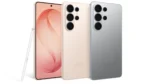
Apple’s display strategy for its future iPhones could widen the gap between standard and Pro models even further.
A report from Schrödinger Intel points to the base iPhone 18 using an “M12+” OLED panel, a tweaked version of Samsung’s M12 generation. That same underlying tech dates back to panels used in devices like the iPhone 14 Pro and Galaxy S23 Ultra.
The Pro models, meanwhile, are expected to move ahead with a newer M16 panel generation.
A recycled foundation with minor tweaks
Samsung’s OLED panel generations—labeled M-series—reflect material improvements, efficiency gains, and brightness capabilities over time. M12 panels were widely used in 2023-era flagship phones, offering strong peak brightness and good longevity.
The “M12+” label suggests incremental refinements rather than a full generational jump. This could include minor efficiency tuning or durability improvements, but it likely won’t match the advancements expected from M16 panels.
That puts the base iPhone 18 in an unusual position. A 2026 phone potentially shipping with display tech rooted in 2023 hardware.
How M16 could differ
While detailed specs for M16 panels are still limited, newer OLED generations typically bring:
- Higher peak and sustained brightness
- Better power efficiency at the same luminance
- Reduced burn-in risk over time
- Improved color accuracy and consistency
If Apple reserves M16 exclusively for Pro models, the visual gap between tiers may become more noticeable, especially outdoors or during HDR playback.
A familiar strategy, taken further
Apple has been gradually increasing differentiation between its iPhone tiers. Refresh rate was one of the earliest dividing lines, with ProMotion staying exclusive to Pro models for multiple generations.
Display panel generation could become the next major separator.
The iPhone 17 lineup is already expected to narrow some gaps, but this move would reverse that trend by anchoring the base model to older panel tech while pushing Pro devices forward.
That said, M12 panels are far from outdated in everyday use. The iPhone 14 Pro and Galaxy S23 Ultra still deliver excellent display quality by current standards. Most users won’t immediately notice generational differences unless comparing side by side.
What it means for buyers
For buyers of the base iPhone 18, this likely won’t translate into a poor experience. Brightness, color, and sharpness should remain competitive.
The difference shows up in edge cases.
Outdoor visibility under harsh sunlight, HDR video highlights, and long-term efficiency could all favor the Pro models. Battery life may also see subtle gains on newer panels due to improved power characteristics.
There’s also a perception factor. Buyers holding onto devices for several years may feel the impact of older panel tech sooner as newer standards emerge.
Apple appears to be leaning into clearer segmentation rather than uniform hardware upgrades across the lineup. That raises a broader question: if core components like the display diverge this much, does the base iPhone still represent the “default” Apple experience, or is the Pro model quietly becoming the real flagship baseline?